
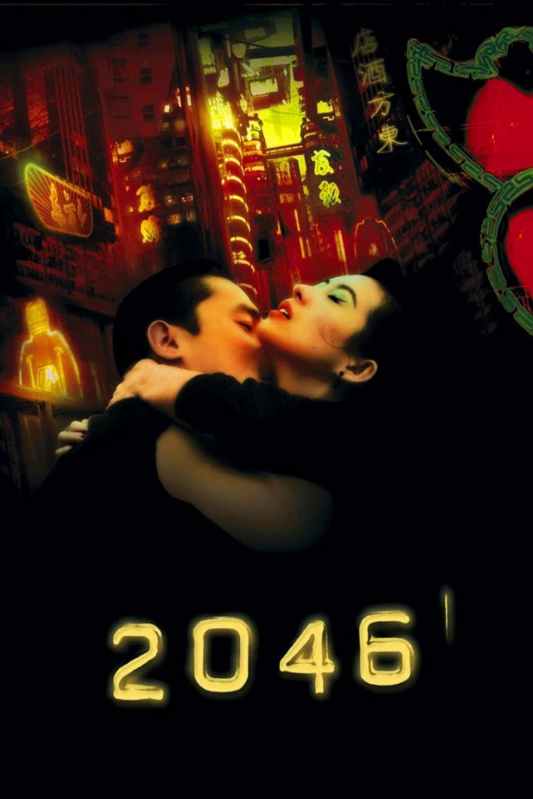
Written & Directed by Wong Kar-Wai
In the Mood for Love was the crowning achievement of a decade of stellar films from the Hong Kong master, Wong Kar-Wai. To follow up that film is a daunting task, and he could have gone any direction. Instead, he stuck to what he knew, directing 2046, which is a spiritual, if not literal, sequel to In the Mood for Love. Arthouse movies aren’t exactly the kind of films that garner sequels and expanded universes, but Wong isn’t any other arthouse director, he’s a legend capable of exploring whatever he likes. But is the return to this world complimentary, contradictory to the original work? Does it improve upon or supplement in a meaningful way? Or is 2046 just a strange fever dream that fails to live up to what is one of the greatest films ever made?
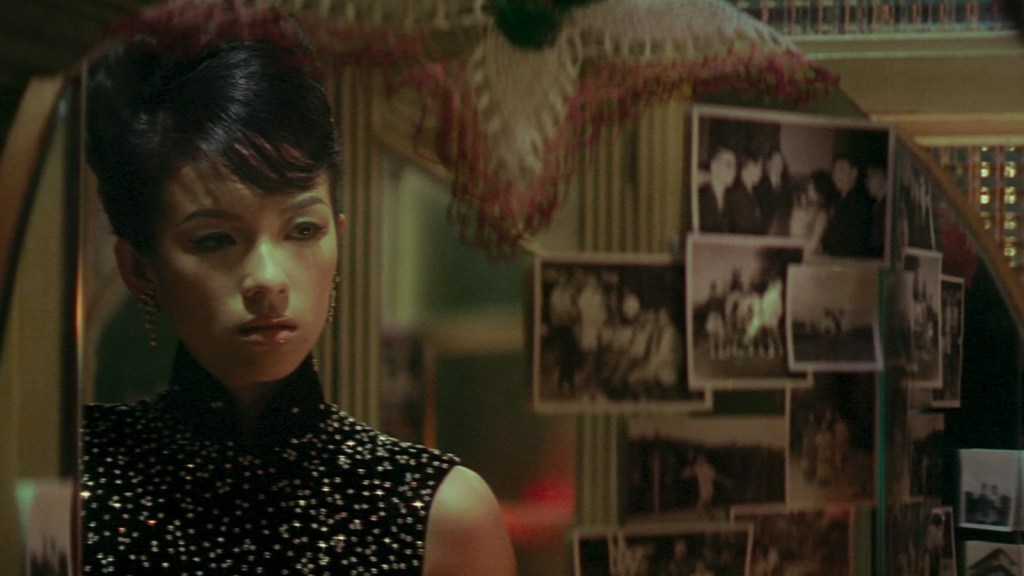
Mr. Chow (Tony Leung) is back in the fold, but instead of living happily ever after with Mrs. Chan (Maggie Cheung), we find him single and ready to mingle. Inhabiting the titular apartment 2046, Chow has two desires: women, and science fiction writing. He has turned his journalist job into a career, all the while interacting with numerous women on a search for the love he struggles to find. He loves a nightclub dancer named Bai Ling (Ziyi Zhang), the landlord’s daughter Jing-wen (Faye Wong), among others. Struggling with the pain of losing the love of his life in Mrs. Chan, Chow finds temporary relief in his love affairs.
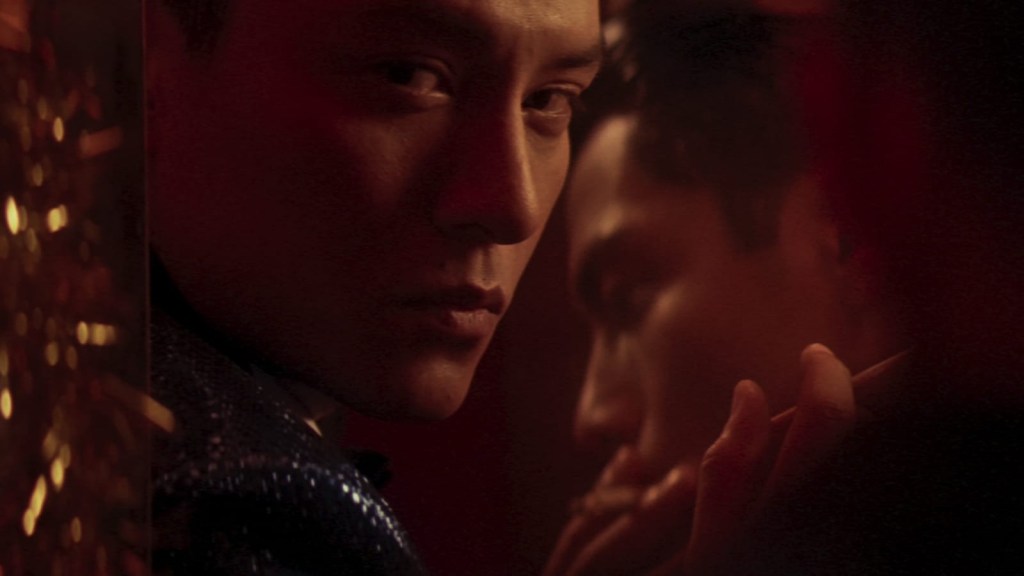
With this continuation of the story from In the Mood for Love, I am left unsure of what I think of the direction that Wong takes with the story. On the one hand, it feels like a betrayal of what I consider a near perfect, incredibly romantic film. To see that Chow is now a ladies man, and the love between he and Chan does not win out, is heartbreaking. The ending of In the Mood for Love leaves room for the viewer to fill in the rest of the story however they see appropriate. Now that blank canvas has been painted by the brush of the author, stealing away the unknown. On the other hand, Wong’s investigation of this specific story matches with themes of love lost and the universal feeling of love being fleeting, cruel and oftentimes unrealized. He handles it with precision and deft touch as always.
I think in the end I lean more towards the feeling of betrayal, but that’s not exactly a fair critique of 2046. In fact, 2046 is as masterfully acted by the cast as any of his other films, including the welcome introduction of Ziyi Zhang who adds a level of grace and professionalism. The story does include the strange, unnecessary segments in the future 2046 that Chow writes about. They are out of place and add little to the story, but thankfully are not long and do not interrupt the story often enough to make too much of a distraction or impact to the flow of the movie. Still, an unnecessary zag into the sci-fi world that indicates that perhaps Wong has ambitions beyond his simple little Hong Kong movies.
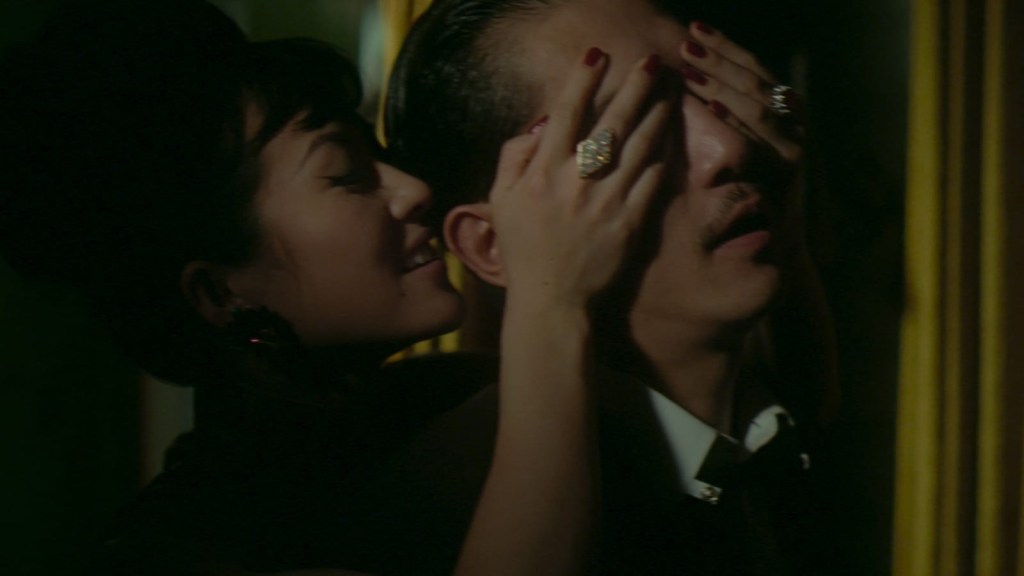
In some ways, 2046 feels much in the same vein as Fallen Angels does to Chungking Express. Wong Kar-Wai has been here before where he has more material for the same story and releases a second movie in the same world which is not as successful, but ultimately doesn’t take enough away from the original films to downgrade them from the masterpieces of cinema they are. In the Mood for Love is in every way the superior film, but 2046 is strong with the Wong Kar-Wai style and theming and manages to be an interesting watch. Not everything can stand up to a masterpiece, nor should it have to. For fans of Wong and his work, 2046 is still a must.
 Corndog Chats