
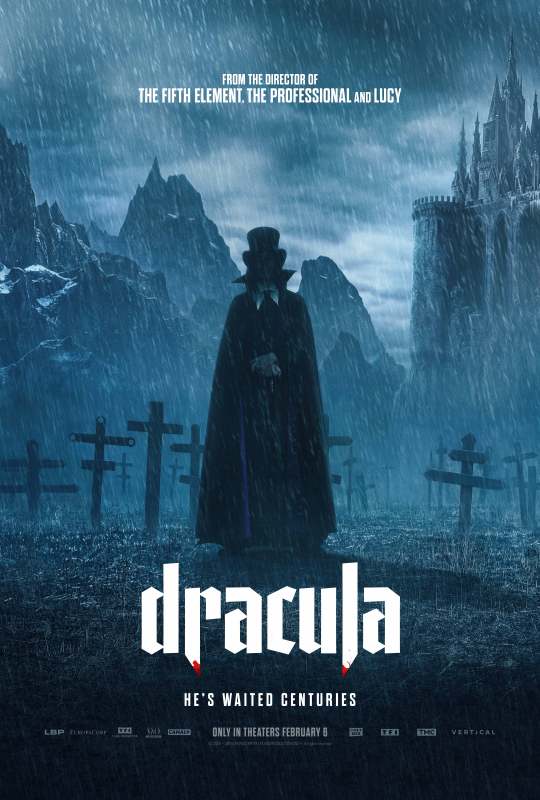
Written & Directed by Luc Besson
The tale of Dracula is a strong piece of intellectual property which has begotten a number of notable adaptions, including Murnau’s Nosferatu, the original Universal Monster movie directed by Tod Browning, Francis Ford Coppola’s version released in 1992, and most recently Robert Eggers’ Nosferatu, which was a successful adaptation just two years ago that was nominated for four Academy Awards. We’ve seen that Bram Stoker’s tale is timeless enough to endure multiple interpretations over time, but I question the need for yet another from French director Luc Besson and team in such close proximity to a very successful version. What does Besson have to say that wasn’t interpreted in the Eggers version? Besson is a controversial figure as well, having been accused but ultimately acquitted of multiple instances of sexual misconduct. His home country of France perhaps more forgiving, but I worry about the legs of a project like this.
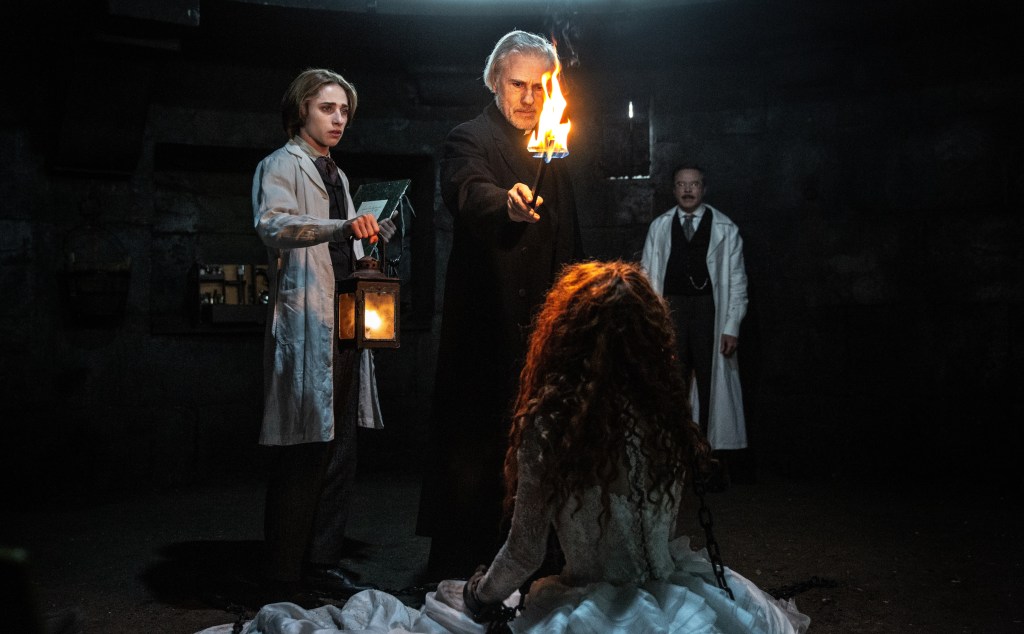
Luc Besson’s Dracula follows the well known, traditional storyline pretty closely. Vlad, Count Dracula (Caleb Landry Jones) is a eastern European prince who is deeply in love with Elisabeta (Zoe Bleu). But after battle against his enemy, Elisabeta was captured and tragically passes. Vlad, in a fit of rage, denounces God who curses him for eternity, making him live forever as a vampire. As Vlad searches endlessly for his Elisabeta reincarnated over 400 years, he using the curse of his victims to help him search, including Maria (Matilda de Angelis), who may have found his beloved Elisabeta. However, a priest (Christoph Waltz) whose religious order has been tracking vampires for centuries, stands in the way of Vlad finally reuniting with his beloved after centuries of longing.
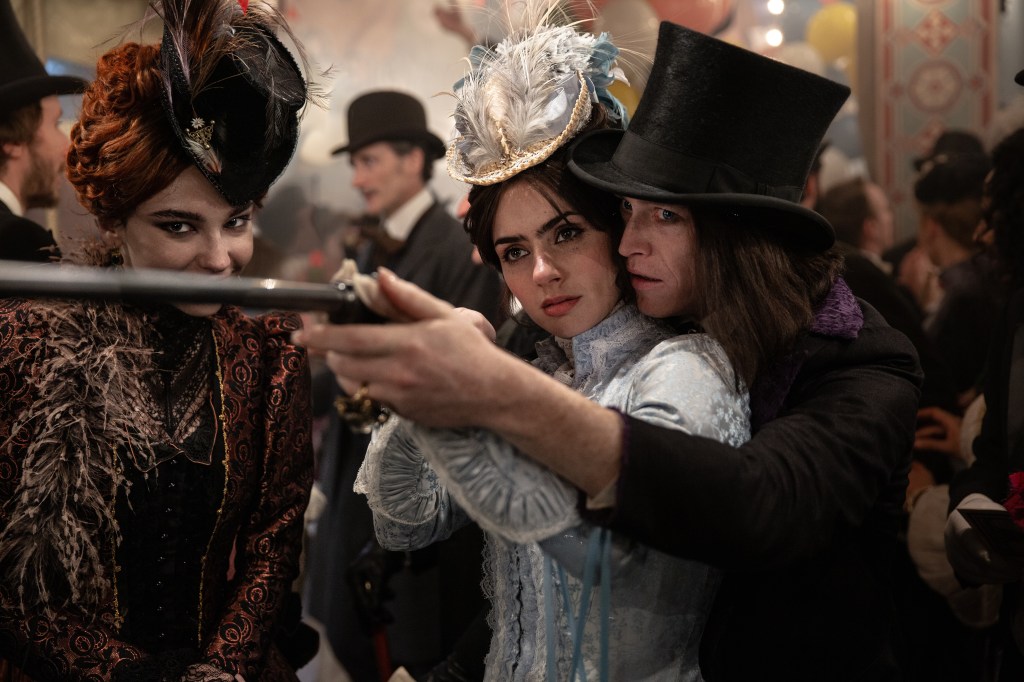
The problem with a film like this from a competent director like Luc Besson is that it’s fine. It mostly looks good apart from some discount CGI, it’s performed well, especially from solid vets Caleb Landry Jones and Christoph Waltz, and it follows a timeless story, doing so mostly faithfully. All this results in a fine movie, and that’s the best I can say about it unfortunately. I’m just not so sure why it needs to exist, especially after so many adaptations over time, especially so close to Robert Eggers’ masterful version. Just why? Again, that’s not to say this movie isn’t well made and enjoyable along the way. It is. Caleb Landry Jones is delicious as Dracula. Besson’s camera makes great spectacle of the shocking, beautiful goings on. But it still ranks outside the top 5 versions of the story all-time? So why would I ever want to revisit or promote it?
I typically try to follow a standard format for my reviews of films, usually five paragraphs with an opening, a summary, and then three paragraphs that make up the body of my review. For this film, I just don’t have much to say, so I’ll be cutting it short. If you want to take anything away from what this movie is, I guess I will leave you with this: Caleb Landry Jones is still a very interesting actor who has been underutilized in his career. He plays evil very well, and does so here eating up the scenery in a intimidating, fun, and extremely committed way. Let’s cast him more please.
 Corndog Chats