
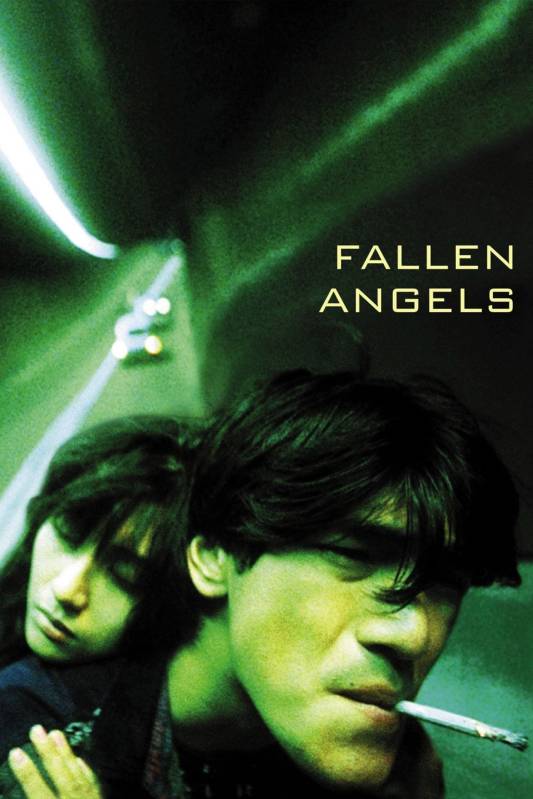
Written & Directed by Wong Kar-Wai
When conceiving his masterpiece Chungking Express, the script for Fallen Angels was actually included as part of that work. However, smartly, he decided to split it off as its own project to mitigate the extended runtime. But you can quickly see the similarities, and differences, in the two projects after watching the films, especially in close proximity to one another. Both films deal with similar themes and locations, and feature the director’s signature style of visual storytelling and music and pop culture sensibilities. I think there are a few Easter Eggs leftover here too if you pay attention that connect the two films: the Midnight Express restaurant makes an appearance, and an expired pineapple tin to name a few. So then why was I taken so much less with this sister film?
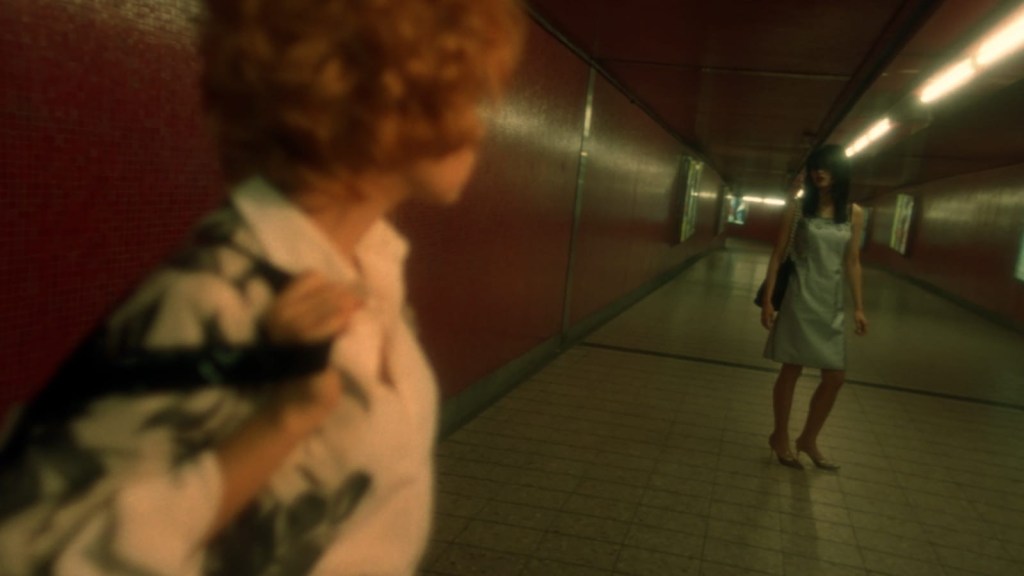
Like Chungking before it, Fallen Angels follows two intertwined storylines. Part of the film follows a simple hit man (Leon Lai) who prefers others to make his plans for him so he can just execute and his partner (Michelle Reis), the planner, who has fallen for him. However, he spurns her in favor of a prostitute (Karen Mok) while trying to get out of the criminal underworld in which he finds himself. Meanwhile, we also get the story of an ex-con on the run (Takeshi Kaneshiro) and a quirky woman (Charlie Yeung) who has recently been dumped.
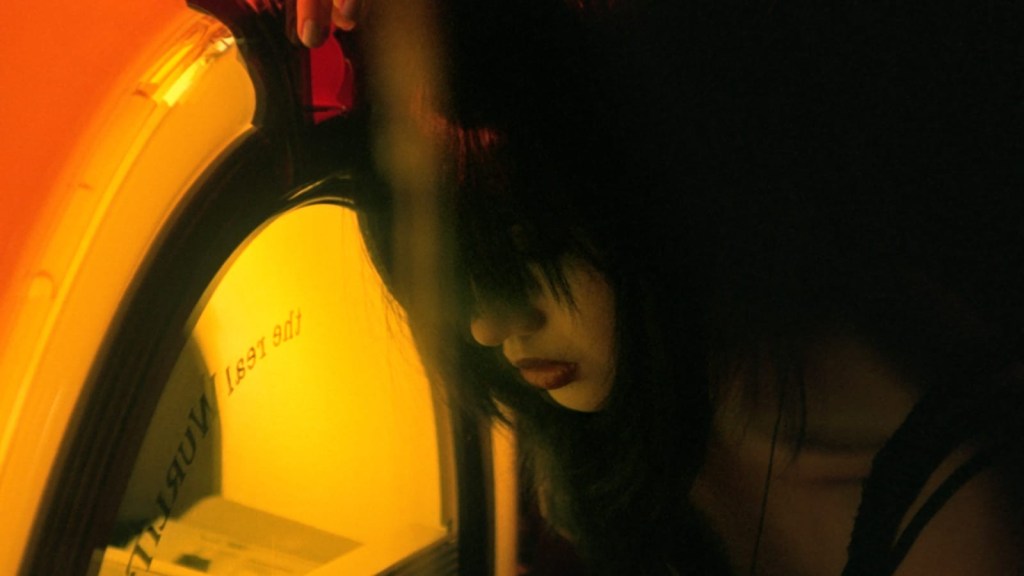
I really don’t want to spend the whole review comparing this film to the success of Chungking Express, but it’s hard not to given the two projects link to one another and very similar styles. One thing I did like a bunch from this film was how it flipped Chungking. This is the night version, largely, which allows Wong Kar-Wai and his stellar cinematographer Christopher Doyle to explore Hong Kong in a different way visually. As ever, the images are incredible. It also inherently works as a narrative, just as Chungking did. By following a similar structure, it gets the same intertwined narrative advantages. And while I’ve not really commented on the acting in these movies up until now, it really is a great troupe that Wong works with time and again, helping bring his stories to life.
However, while Fallen Angels benefits from the same story structure that made Chungking successful, it’s also partly its downfall. We’ve seen it before. Chungking felt so fresh and new and inventive, while here we’ve seen it before. It’s lost a little of its luster, even if it works in a lot of the same ways. Admittedly, I wasn’t taken by the characters here as much as the sister film, but I cannot land on whether that is because the story is not as compelling, or the fault of having seen Chungking first. I was less compelled to hang out and spend time with these characters, and there was less romance than the first, which works from a narrative sense to play the opposition to Chungking, but it makes for a little bit of a downer at times.
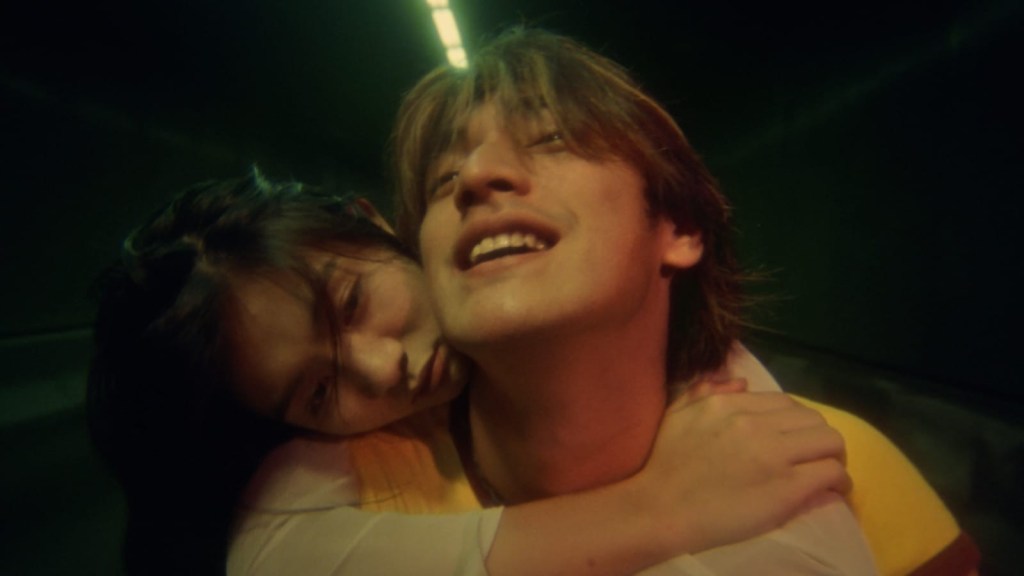
I still would easily recommend this movie to anyone who has taken to any of Wong Kar-Wai’s other films. It is definitely in conversation with his other works, not just Chungking Express, and has the same style and values as his other films. It’s still a successful movie, perhaps I was too spoiled by his first three features that now everything will have to compare to the tremendous success of those films, which isn’t entirely fair (and I do know at least one other masterpiece lies ahead with In the Mood for Love). Five films into the filmography of Wong, I can see myself returning to his movies time and time again. He not only has a trademark visual style that is endlessly beautiful and unlike anything else I’ve ever seen, but I think his writing is his real super power, able to spin these tales of indelible characters aching with longing and love. I may have been underwhelmed by Fallen Angels, but that’s a relative term. It’s still dynamite.
 Corndog Chats