
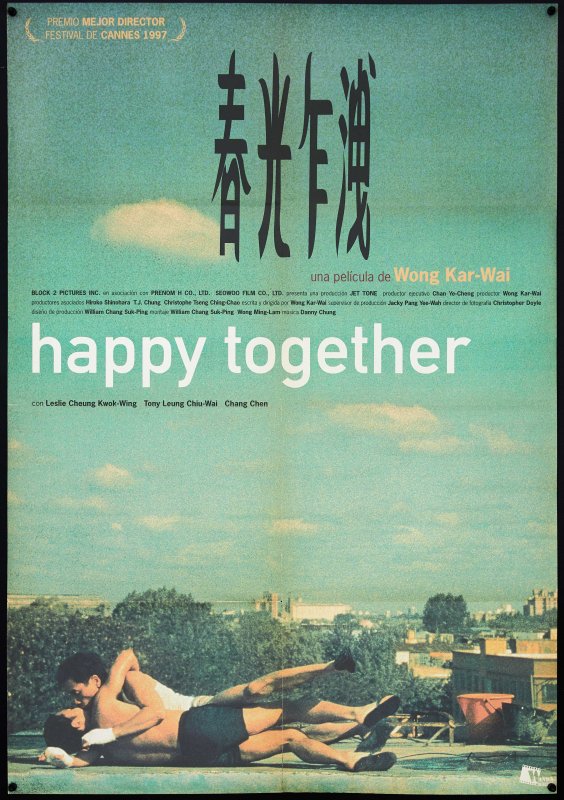
Written & Directed by Wong Kar-Wai
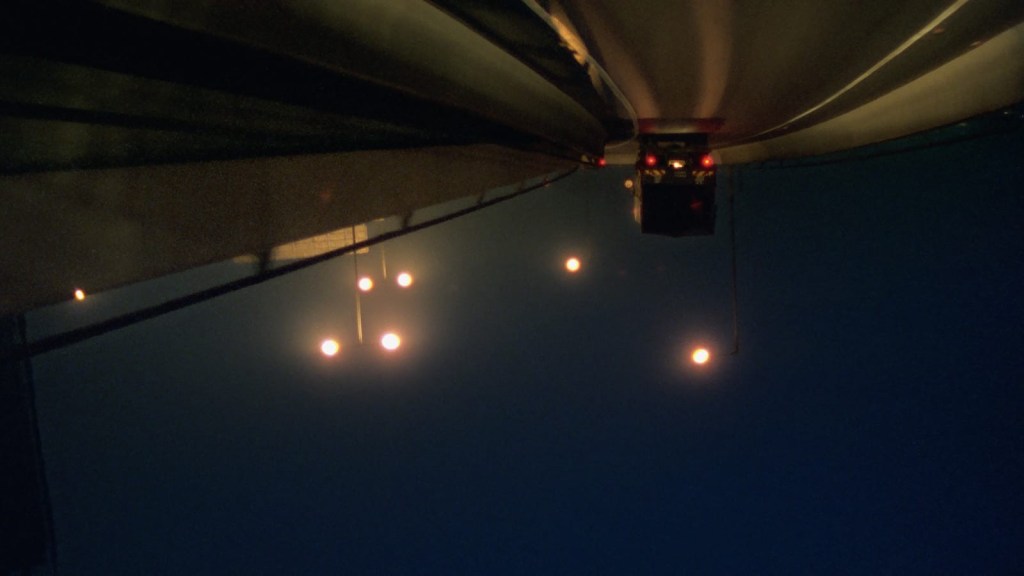
To this point in his filmography, while consistently great and visionary and beautiful, most of Wong Kar-Wai’s movies are very similar in theme and style and nature. With Happy Together, some of those trademark elements make their return, as they always will be with an auteur like WKW, but the central difference in the film is the theme of opposite, which makes it a fascinating entry into his catalog, and a daring achievement that propels his vision and style forward, adding a level of evolution to compliment his consistency. In fact, look below. He even literally turns the camera upside down to show this inversion, which is a trademark shot from one of this year’s most celebrated movies, The Brutalist. WKW once again showing how far ahead of his time he truly was.
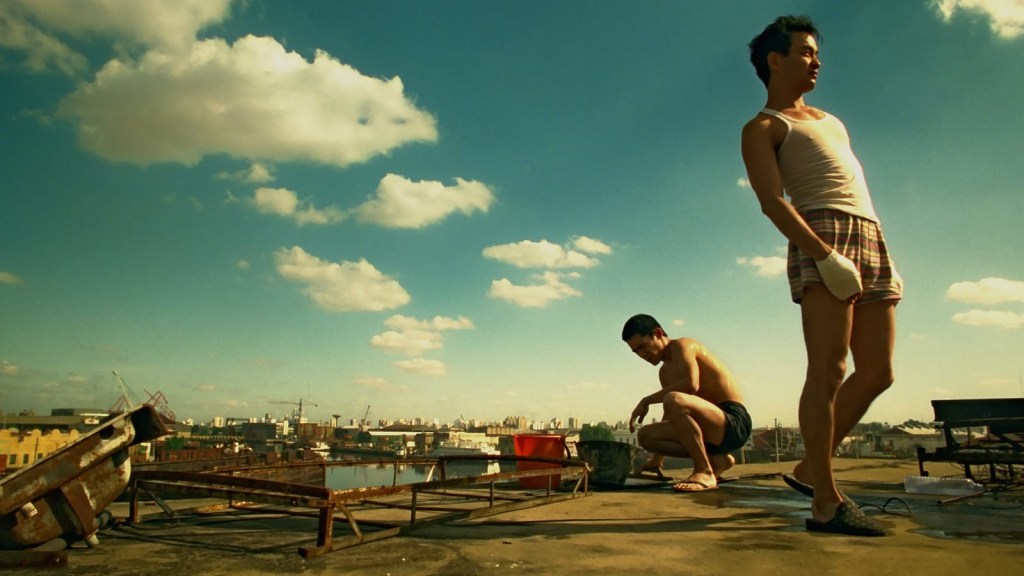
Ho Po-wing (Leslie Cheung) and Lai Yiu-fai (Tony Leung) are on-again, off-again lovers. Looking to form a closer bond, they travel around the world to Argentina, but quickly find their latest adventure strains their relationship even further, leaving both of them wanting. As they struggle to co-exist and survive in this foreign land, they maintain their fleeting romance when it suits them. Through Ho’s infidelity and Lai’s possessiveness, they manage to maintain a support system even during the nastiest fights. But as they continue to grow further apart, and Lai spends more time with coworker Chang (Chang Chen), the relationship might finally face its ultimate end.
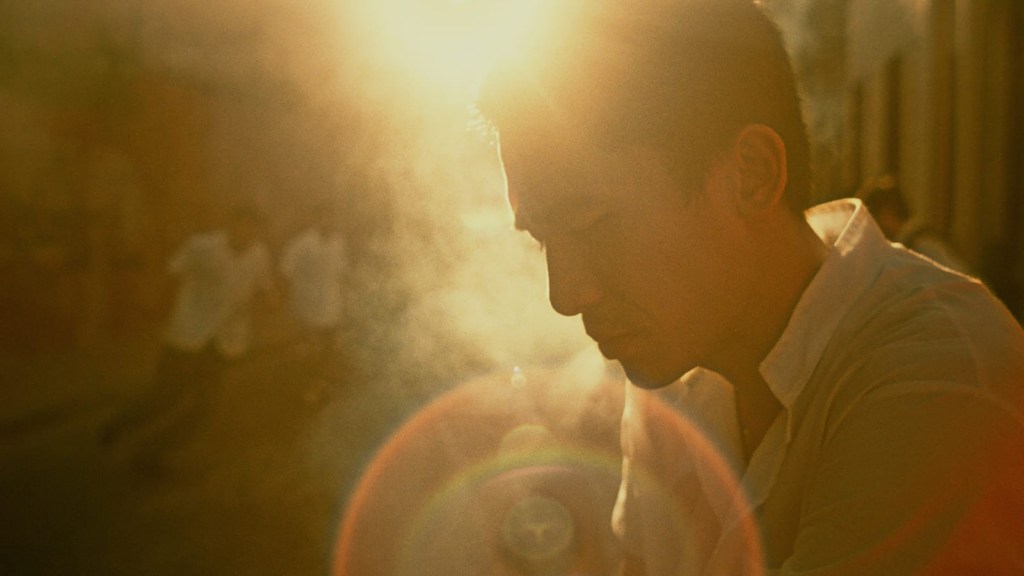
As ever, Wong Kar-Wai crafts a film more about spending time with its characters than going from scene to scene, event to event where the narrative is more advanced by characters and going through their lives than specific things happening. There is not through story which strings together the events of the film, we are merely spending time with this couple as their relationship seemingly falls apart. In this way, Happy Together resembles WKW’s other films, but the comparisons mostly end there. He subverts so much about his movies, led by the incredible cinematography by his longtime collaborator Christopher Doyle.
This film is a masterpiece of visual art. But by setting much of it during the day in Argentina instead of the standard Hong Kong nights of his other films, we get a much more vibrant, sun-drenched aesthetic. In addition to the time of day, other elements of subversion include the geographic setting half-way around the world in Argentina, the depiction of a gay couple instead of heterosexual (which much have been extremely progressive in 1997, especially for a Chinese film), not to mention the falling apart of the relationship instead of the coming together. I think this fresh take on so many of the essential elements we’ve seen in WKW’s filmography makes this such a refreshing watch in the middle of this marathon.
That’s not to say I was growing tired of the style and aesthetic. That could literally never happen with the kind of filmmaker Wong Kar-Wai is, but rather that seeing something a little different is unexpected and welcome. I’ve continued to discover these films and be continually amazed at the tone and style of them, having only ever seen Chungking Express and In the Mood for Love prior to the marathon, and Happy Together is one of the best yet, offering a unique perspective just as we head into the incomparable In the Mood for Love, which I already know is among the greatest films ever made. I will be curious to finish out the marathon and see where WKW goes after In the Mood for Love, because I would welcome a lush, sexy and stylish movie from him every three years forever, but that obviously isn’t the case. What happened? Stay tuned I guess, but for now, let’s celebrate Happy Together.

